
How to Retain Customers with a Simple Onboarding Sequence
Short answer: A simple onboarding sequence retains customers by guiding them to their first success quickly. Focus on a welcome email, a key action trigger, and a check-in. Keep it short, track milestones, and iterate based on behavior.
Key takeaways
- Onboarding is the critical window for customer retention.
- A simple 4-email sequence works for most businesses.
- Focus on the first key action that predicts retention.
- Track activation rate and time-to-value.
- Iterate based on user behavior, not assumptions.
What you will find here
- What Is an Onboarding Sequence and Why Does It Drive Retention?
- How to Map Your Customer’s First Success Milestone
- Building a 4-Step Onboarding Sequence That Retains Customers
- Comparing Automated vs. Human-Touch Onboarding
- Measuring the Effectiveness of Your Onboarding Sequence
- Common Mistakes That Hurt Retention During Onboarding
- How to Iterate and Improve Your Onboarding Over Time
- Conclusion: Start Simple, Then Refine
Customer retention starts the moment someone signs up. Your onboarding sequence is the first real experience they have with your product or service. Get it right, and you build a foundation for loyalty. Get it wrong, and you lose them to the competition or simple indifference.
This article covers the exact steps to build a simple onboarding sequence that retains customers. You learn how to map the customer journey, write effective emails, and measure what matters. Whether you run a SaaS startup, a service business, or an ecommerce store, these principles apply.
What Is an Onboarding Sequence and Why Does It Drive Retention?
An onboarding sequence is a series of automated emails, in-app messages, or phone calls that guide a new customer to their first success with your product. It is not a one-time welcome email. It is a structured path that reduces friction and builds confidence.
Onboarding directly affects retention because customers who reach a meaningful milestone early are far more likely to stick around. For example, a project management tool might define the key action as “create your first project.” Once a user does that, they have invested time and effort, and they see value. Without that milestone, many drift away.
Keep your sequence simple. You do not need a 10-email drip campaign. A few well-timed messages outperform a flood of content.
How to Map Your Customer’s First Success Milestone
Before writing a single email, you need to define what “first success” looks like for your customers. This is the moment when they realize the value of what you offer. It varies by business type:
- SaaS product: The first report generated, the first project created, the first team invitation accepted.
- Service business: The first consultation completed, the first deliverable received, the first question answered.
- Ecommerce store: The first purchase, the first review posted, the first referral made.
Identify the single action that correlates with long-term retention. Look at your existing customer data. Which actions do retained users take within the first week? Focus your sequence on driving that action. If you have not yet determined this, start by talking to customers who have been with you for over a year. Ask them what made the difference.
Building a 4-Step Onboarding Sequence That Retains Customers
Here is a simple, effective sequence you can adapt today. Each step has a clear goal.
Step 1: The Welcome Email (Day 1)
Send this immediately or within minutes of sign-up. Thank them, set expectations, and tell them what to do next. Keep it short — one main action. Include a link to get started.
Avoid overwhelming them with feature lists. Focus on one step only.
Step 2: The First Action Reminder (Day 3)
If they have not completed the first key action, remind them. State the benefit clearly: “Create your first project in 2 minutes and see how your team stays organized.” Offer a direct link and maybe a short video or GIF.
If they have completed the action, send a congratulatory message and suggest the next logical step. This email segment keeps your sequence relevant.
Step 3: The Value Showcase (Day 7)
Highlight a feature that deepens their experience. For example, show how to invite a colleague, set up a recurring report, or use a popular shortcut. Use a customer story or a use case they can relate to.
Keep the tone helpful, not salesy. You are showing them how to get more value.
Step 4: The Check-In (Day 14)
Ask how things are going. Offer support. This is a good point to include a link to your knowledge base, a video tutorial, or a direct contact for questions. You can also ask for a quick rating or feedback.
This 4-step sequence works for most businesses. Adjust the timing based on your typical time-to-value. Some products need a faster cadence; others can wait longer.

Comparing Automated vs. Human-Touch Onboarding
Not all onboarding can be fully automated. Some customers need a personal call. Others prefer self-serve. The choice depends on your price point and customer profile.
| Approach | Best For | Retention Impact |
|---|---|---|
| Automated email sequence | Low-touch, high-volume (freemium, low monthly) | Good if content is targeted. Can lack personalization. |
| Human-led onboarding (phone or video) | High-touch, high-value (enterprise, premium services) | Higher retention but more expensive and harder to scale. |
| Hybrid (automated + human touchpoints) | Mid-market, growing businesses | Often the best balance. Automate the early steps, then assign a success rep. |
Start with automated and add human touches at critical points. For example, if a user does not complete the first action within 3 days, trigger a personal email from a real person. Small interventions like this can lift retention significantly.
Measuring the Effectiveness of Your Onboarding Sequence
Without measurement, you cannot improve. Track these three metrics:
- Activation rate: Percentage of new users who complete the first key action within a defined period (usually 7 days).
- Time-to-value: Average time from sign-up to the first success milestone. Shorter is better.
- Drop-off rate per step: How many users stop reading or clicking at each step of your sequence.
Use these metrics to identify weak spots. If many users open the welcome email but do not click through, your call-to-action may be unclear. If they start but never finish the first action, your help documentation may be insufficient.
For more measurement ideas, see our Customer Retention Checklist for SaaS Startups. It covers key metrics every business should track.
Common Mistakes That Hurt Retention During Onboarding
Even a well-intentioned sequence can backfire. Watch out for these pitfalls:
- Too many emails too fast. Respect your customer’s inbox. One email every 2–3 days is usually enough.
- Feature overload. Do not try to teach everything in the first week. Focus on the one action that matters most.
- No personalization. Use their name, company name, or industry if you have it. Generic messages feel like spam.
- Ignoring mobile. Many users open emails on their phone. Keep your layout simple and links tappable.
- Not segmenting users. A single sequence rarely works for all. Separate trial users, paid users, and users from different acquisition channels if possible.
Correcting these mistakes often yields quick wins in retention. Test one change at a time and watch your activation rate improve.
How to Iterate and Improve Your Onboarding Over Time
Your onboarding sequence is never finished. As your product grows and your customer base evolves, your sequence must adapt. Here is a simple improvement cycle:
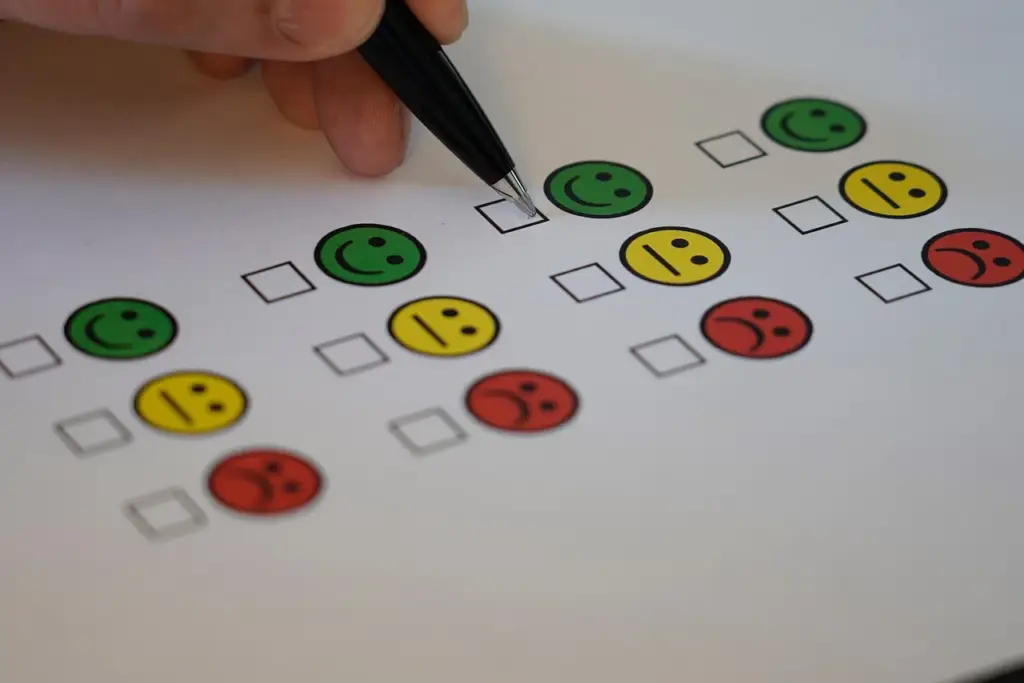
- Collect feedback. Survey customers who completed the sequence. Ask what was helpful and what was missing. Also, talk to customers who churned early — they reveal hidden friction points.
- Review analytics. Check open rates, click rates, and drop-off points. Identify the steps where people lose interest.
- Form a hypothesis. Example: “If we add a video demonstration in Step 2, more users will complete the first action.”
- Test one change. Run an A/B test on a single element: subject line, call-to-action, timing, or content. Do not change multiple things at once.
- Measure again. Look at activation rate and time-to-value. Did they improve? If yes, make the change permanent. If no, try a different hypothesis.
This cycle turns your onboarding into a systematic growth lever. Over time, small improvements compound into significantly higher retention.
For a broader view of customer success tactics, read our Beginner’s Guide to Building a Client Success Program. It explains how onboarding fits into a larger retention strategy.
Conclusion: Start Simple, Then Refine
You do not need a complex, expensive onboarding system to retain customers. A simple sequence of 3–4 emails focused on one key action can dramatically reduce churn. The important thing is to start. Build a basic version today, measure it, and improve over time.
Your customers are telling you what they need through their behavior. Listen. If they drop off at a certain step, adjust. If they respond better to a different tone, adapt. Onboarding is a conversation, not a monologue. Keep it simple, keep it focused, and your retention will thank you.
Frequently asked questions
How many emails should an onboarding sequence have?
For most businesses, a simple 3-5 email sequence works best. Start with a welcome email, a first-action reminder, a value showcase, and a check-in. Avoid overwhelming new users with too many messages. Focus on quality over quantity.
When should I send my onboarding emails?
Send the welcome email immediately after sign-up. Follow up every 2-4 days depending on your product’s typical time-to-value. For example, a tool with a quick setup might use a 3-day cadence; a complex service could stretch to 7 days between emails.
What is the most important metric for onboarding success?
Activation rate is the most important metric. It measures the percentage of new users who complete a key action that predicts long-term retention. Focus on driving that single action rather than tracking vanity metrics like open rates.
Should I automate onboarding or use personal calls?
It depends on your price point and audience. Automated sequences scale well for low-touch customers. Personal calls work better for high-value accounts. A hybrid approach—automated emails with human check-ins at critical moments—often delivers the best retention.
How do I know if my onboarding sequence is working?
Track activation rate, time-to-value, and drop-off points in your sequence. Compare retention rates of users who complete the sequence versus those who do not. Low activation or high drop-off indicates improvements are needed.




One Comment