Beginner’s Guide to Customer Retention Email Marketing
Short answer: Customer retention email marketing uses targeted emails to nurture existing customers, encourage repeat purchases, and build loyalty. It focuses on engagement, personalization, and value delivery to reduce churn and increase lifetime value.
Key takeaways
- Map the customer lifecycle to send the right email at each stage.
- Segment your list based on behavior, purchase history, and engagement.
- Use a mix of welcome, educational, re-engagement, and upsell emails.
- Personalize subject lines and content based on customer data.
- Measure open rate, click-through rate, and churn reduction metrics.
- Test and iterate your campaigns to improve results over time.
What you will find here
- Why Customer Retention Email Marketing Matters
- Mapping the Customer Lifecycle for Email
- Types of Retention Emails You Should Use
- Segmentation: The Foundation of Retention Emails
- Measuring Success and Iterating
- Common Mistakes to Avoid
- Bringing It All Together: A Simple Retention Email Calendar
- Choosing the Right Email Platform for Retention
- Subject Lines and Preheaders That Get Opens
- Timing and Frequency: How Often Should You Send?
- Transactional Emails as Retention Opportunities
If you run a small business or SaaS, you already know that getting a new customer costs more than keeping an existing one. Customer retention email marketing is one of the most direct ways to stay in touch with your current customers, provide value, and encourage them to stick around. Instead of focusing solely on acquisition, you shift some of your energy to building loyalty through email. This guide will walk you through the basics so you can set up a retention email strategy that works.
Why Customer Retention Email Marketing Matters
Most people check their email daily. That makes it a reliable channel to reach your customers on their own terms. Retention emails help you remind customers of the value you offer, educate them about features or products they haven’t tried yet, and rebuild connection if they’ve gone quiet.
When you focus on retention, you typically see higher engagement rates than acquisition emails because the recipients already know you. They chose to buy from you once. A well-timed email can bring them back to your store or app, increase repeat purchases, and lower churn. Over time, this directly improves customer lifetime value (LTV).
Many businesses spend too much effort on getting new customers and not enough on keeping the ones they have. Email marketing for retention is a low-cost, high-impact way to fix that imbalance.
Mapping the Customer Lifecycle for Email
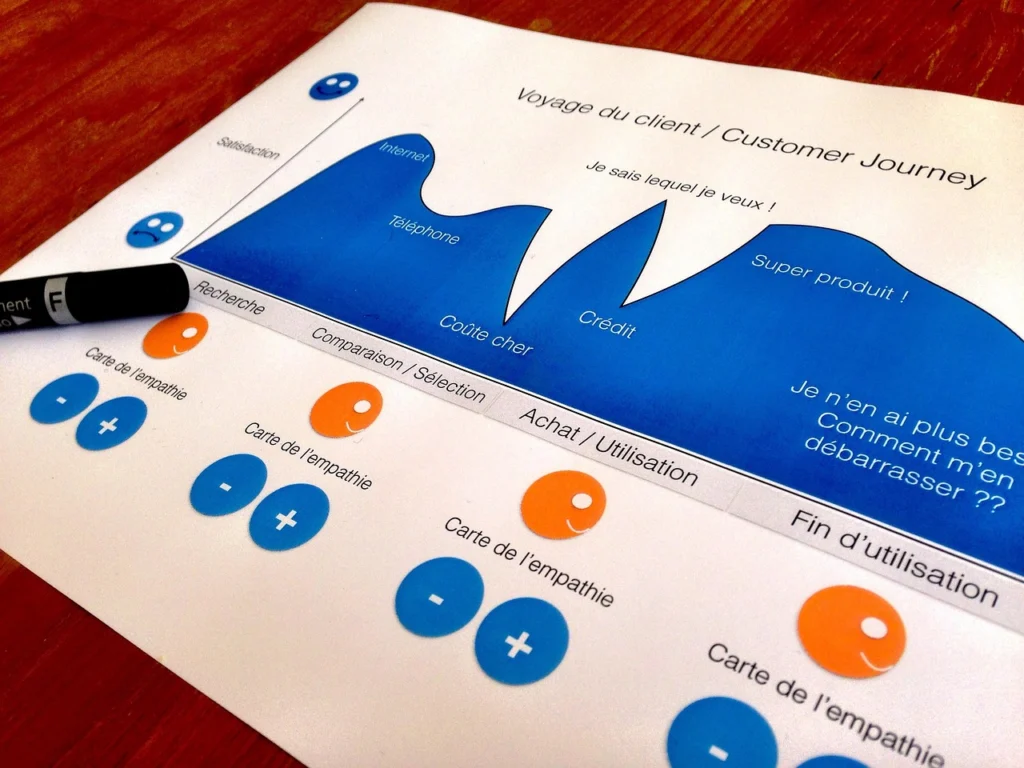
Before you write a single subject line, you need to understand the stages your customers go through after purchase. Most retention email marketing strategies follow a basic lifecycle:
- Onboarding: The first few days or weeks after sign-up or purchase. Customers need help getting started and seeing value.
- Active engagement: Regular use and interaction. Emails here should educate, inspire, and cross-sell.
- At-risk: Customers who haven’t engaged for a while. Re-engagement emails can bring them back.
- Lapsed or churned: They’ve stopped using your product or service. Win-back campaigns try to reactivate them.
Each stage calls for different messaging and goals. A good practice is to list the key behaviors at each stage and design an email series that addresses them.
Types of Retention Emails You Should Use
There’s no one-size-fits-all email. Most retention programs use several types that work together. Here are the most effective ones for customer retention email marketing.
Welcome and Onboarding Series
The first email after purchase sets the tone. Send a welcome email immediately. Then follow up with a series that guides the customer through first steps, highlights key features, and offers support. This reduces early churn and increases activation.
Engagement and Educational Emails
Once customers are active, send content that helps them get more value. This can be tips, how-to guides, case studies, or product updates. For a physical product, it might be recipe ideas, use cases, or maintenance tips. These emails strengthen the relationship and make your brand a useful part of their life.
Re-engagement Campaigns
Customers who haven’t opened an email in 30 to 60 days or haven’t purchased in a while need special attention. A re-engagement series can include a “we miss you” message, an exclusive offer, or a request for feedback. If they don’t respond after a few attempts, consider moving them to a weaker list or removing them.
Loyalty and Rewards Emails
If you have a loyalty program, emails that show points balance, exclusive perks, or member-only sales remind customers of the benefits of staying with you. Even without a formal program, you can send appreciation emails or early access to new products.
Upsell and Cross-sell Emails
Existing customers are more likely to buy again. Recommend related products or upgrades based on past behavior. Be careful not to be too pushy. Focus on how the additional product solves a problem or adds value.

Segmentation: The Foundation of Retention Emails
Sending the same email to everyone is a common mistake. People have different needs, purchase histories, and engagement levels. Segmentation lets you group customers by shared characteristics so you can tailor your message.
Common ways to segment for retention include:
- Purchase history: What they bought, how much they spent, how often they buy.
- Engagement level: Email opens, clicks, website visits, product usage.
- Customer stage: New, active, at-risk, lapsed.
- Demographic or location data: Age, region, language.
- Preferences: Product categories, content topics, communication frequency.
For example, an at-risk customer who hasn’t opened emails in 60 days could receive a different re-engagement offer than a recently active customer. Simple segmentation like this can double your email performance.
Measuring Success and Iterating
To know if your customer retention email marketing is working, track key metrics. Open rate shows how many people see your emails. Click-through rate shows how engaging your content is. Unsubscribe rate tells you if you’re sending too often or irrelevant content.
For retention specifically, also monitor secondary metrics like repeat purchase rate, churn rate, and average order value from email campaigns. Link your email platform to your CRM or analytics tool so you can see the full picture.
Run A/B tests on subject lines, send times, and call-to-action buttons. Small changes can have big effects over time. Keep what works and drop what doesn’t.
Common Mistakes to Avoid
Starting a retention email program is straightforward, but a few pitfalls can derail your efforts.
- Sending too many emails: This leads to unsubscribe and spam complaints. Find a frequency that works for your audience — once a week is a good starting point for most businesses.
- Not personalizing enough: Using the recipient’s name is basic. Go further by referencing their purchase or behavior.
- Ignoring mobile design: More than half of emails are opened on mobile. Use responsive templates and keep layouts simple.
- No clear call to action: Tell readers what you want them to do — read a guide, redeem an offer, or reply with feedback.
- Treating retention and acquisition the same way: Retention emails assume existing relationship. Language should be warmer and less salesy.
Avoiding these mistakes will keep your campaigns healthy.
Bringing It All Together: A Simple Retention Email Calendar
If you’re starting from scratch, here’s a sample 30-day email sequence for a new customer:
- Day 0 (immediate): Welcome email with thank you and what to expect.
- Day 2: Getting started guide — link to help center or video.
- Day 7: Tip or use-case highlighting key feature.
- Day 14: Check-in asking if they need help. Offer support email.
- Day 21: Case study or customer success story.
- Day 30: Request for review or testimonial, plus a small incentive.
After the onboarding series, shift to a regular engagement cadence. A monthly update email plus a quarterly re-engagement campaign for inactive customers gives you a sustainable rhythm.
Remember to integrate your email efforts with broader retention strategies. For example, understanding Customer Health Score vs Churn Prediction: What to Use can help you identify who needs a special email. And Personalization vs Automation in Customer Retention: Finding the Balance is directly relevant to finding the right mix for your emails. If you’re building a larger program, the Beginner’s Guide to Building a Client Success Program complements your email efforts well.
Start small, stay consistent, and always listen to what your customers tell you through their behavior. That’s how customer retention email marketing becomes a reliable growth driver for your business.
Choosing the Right Email Platform for Retention
Not every email service provider is built for retention workflows. You need a platform that supports automation, segmentation, and integration with your CRM or ecommerce system. Look for features like visual journey builders, conditional content blocks, and predictive sending based on time zone. For a small business, affordable options exist that still let you set up triggered campaigns. Evaluate your list size, budget, and technical comfort before deciding. A platform that’s hard to use will slow you down, so prioritize ease of use and scalability.
Subject Lines and Preheaders That Get Opens
Even the best retention email is useless if nobody opens it. Your subject line must earn attention while staying honest and relevant. Avoid clickbait or misleading promises. Instead, mention the benefit clearly: “Your monthly report is ready,” “Here’s a tip to get more from [product],” or “We noticed you haven’t used [feature] yet.” Personalization beyond the first name helps. Reference a specific action the customer took. Preheaders are the second line of text visible after the subject. Use them to add context or a secondary call-to-action. For example, subject: “Your 10% off reward” and preheader: “Use it on your next order — it’s valid for 30 days.”
Timing and Frequency: How Often Should You Send?
The right frequency depends on your industry and customer expectations. A SaaS product with daily use can send weekly updates. A retail store with occasional purchases might send monthly newsletters. Start with a conservative schedule — once a week is a safe baseline — and monitor unsubscribe rates. If they spike, scale back. If engagement stays high, you can test increasing frequency. Pay attention to seasonality. During holidays or product launches, a temporary bump is natural. The goal is to stay top-of-mind without becoming noise. Ask your customers their preference at sign-up. Let them choose weekly or monthly digest options.
Transactional Emails as Retention Opportunities
Don’t overlook emails that are required for business operations: order confirmations, shipping updates, password resets, billing receipts. These have extremely high open rates because customers expect them. Add a soft retention message or a small cross-sell recommendation. For example, after a purchase confirmation, include a link to complementary products or a guide on getting started. Keep the primary purpose clear, but use the real estate wisely. An abandoned cart email is another transactional trigger. Send it within an hour, offer help or a limited-time discount, and link directly to the cart. This simple move recovers a meaningful percentage of lost sales.
Start small, stay consistent, and always listen to what your customers tell you through their behavior. That’s how customer retention email marketing becomes a reliable growth driver for your business.
Frequently asked questions
Why is email good for customer retention?
Email is direct, personal, and cheap. Most people check their email daily, so you can reach existing customers in their inbox. It allows for targeted messages based on behavior and purchase history, making it easy to nurture relationships and reduce churn.
What is the best frequency for retention emails?
It depends on your industry and audience. A good starting point is one email per week. Too few emails can make customers forget you. Too many can annoy them. Test frequencies and monitor unsubscribes to find the sweet spot.
How do I segment my email list for retention?
Segment by purchase history, engagement level, customer stage, or demographics. For example, group new customers separately from those who haven’t purchased in 6 months. This lets you send relevant content to each group and improves open and click rates.
What metrics should I track for retention email campaigns?
Open rate, click-through rate, and unsubscribe rate are basic. For retention, also track repeat purchase rate, churn rate, and average order value from email. These show the direct impact on customer loyalty and lifetime value.
Can I automate retention emails?
Yes. Email marketing platforms allow you to set up automated triggers based on customer actions. For example, a welcome series triggers on sign-up, and a re-engagement series triggers after 60 days of no opens. Automation saves time and ensures timely delivery.